Why a Little Wildness Mattersby Fiona Bennett-Meere
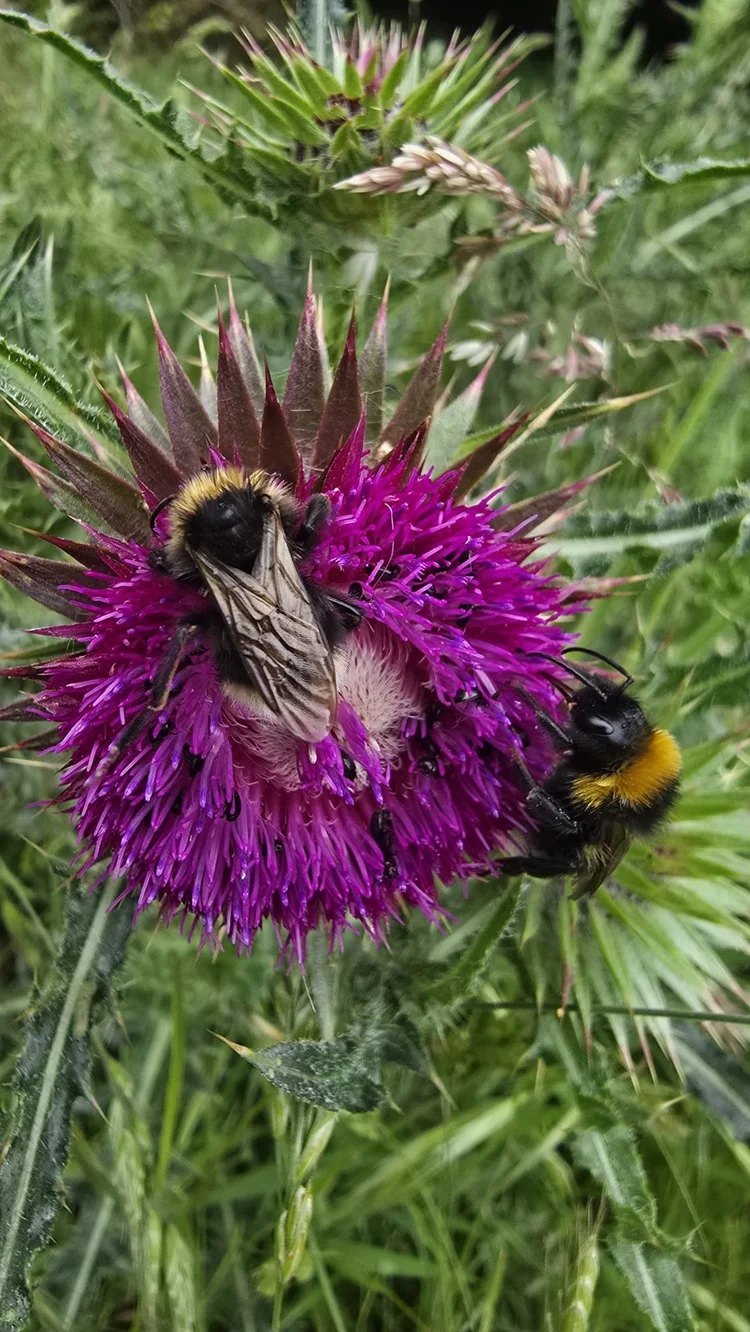
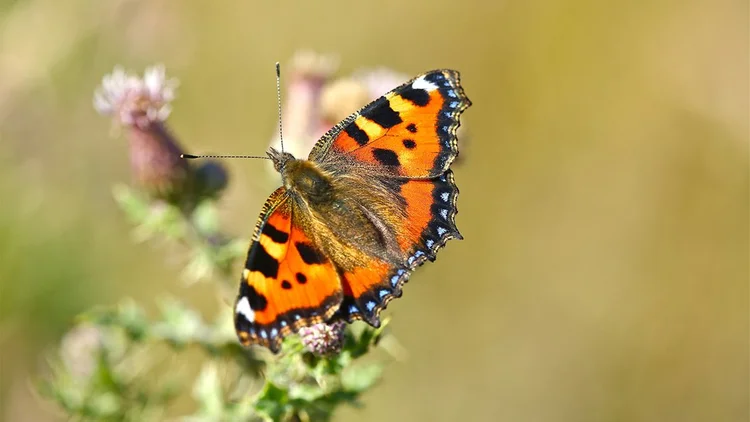
Brill’s Wildlife & Community RangerPretty wildflowers may attract the most attention but a healthy ecosystem depends on variety. Even over-looked plants - so-called “weeds” - play their part. Stinging nettles, for example, support more than 40 insect species and provide food and shelter for other wildlife. By allowing a little wildness into our green spaces - public and private - we create irreplaceable habitats and a thriving eco-system. No Mow MayNo Mow May has now finished. A nation-wide campaign led by Plantlife, every year No Mow May encourages us to pause mowing and allow wildflowers to bloom, providing nectar and shelter for pollinators. But supporting wildlife doesn’t stop on May 31st: We’re now in Let It Bloom June! Let it Bloom June (also promoted by Plantlife) is all about rethinking how we manage green spaces throughout the growing season. It encourages us to see our surroundings differently. Rather than viewing every patch of greenery as something to be controlled, we can start seeing it as valuable habitat - and, in a village like Brill where the landscape and community are closely intertwined, that shift in perspective can as important as any wider management decision. Let It Bloom JuneWe’re not neglecting ground that is left a little wild, we’re giving nature a chance to recover from a century of wildflower meadow depletion. Our efforts - or rather, lack of effort! - is quickly rewarded by the hum of pollinators, an abundance of wildflowers, and a growing variety of wildlife. Why not join in with Let it Bloom June? Leave a corner of your garden uncut, allow nettles to flourish in an unused spot - or simply appreciate the movement and beauty of longer grass. Small changes can make a huge difference, I promise. Every wildflower left to bloom is a small step towards a wilder, richer Brill. Brill Common this monthOur common is looking splendid right now; swathes of wildflowers, a rich diversity of plants and grasslands full of life. It’s so rewarding to see the impact of conservation work and countless volunteer hours reflected in the landscape. This month we’ll be carrying out detailed habitat surveys and comparing what we find with historical records. This work helps us understand how habitats are changing and ensures we continue to manage Brill Common for the widest possible range of wildlife. Do come and say Hello if you see me out and about.
|